Personal Note
What 20 years of building brands in the tech scene taught me about speed
 Ernie SmithAugust 20, 2022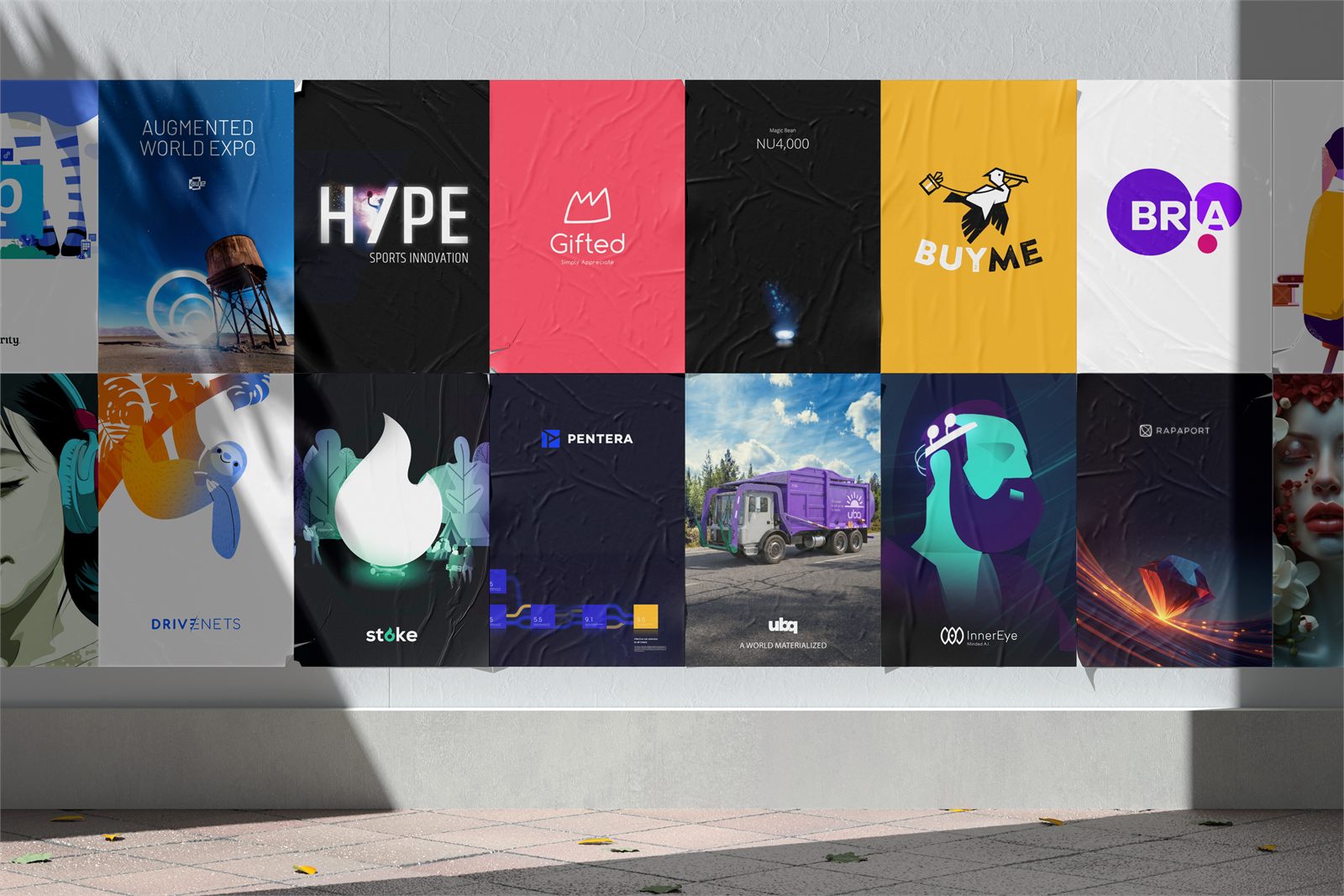
I've been doing this for a long time. Since 2005, I've worked with over 80 tech companies across cybersecurity, AI, deep tech, network infrastructure, AR, and e-commerce. From pre-seed startups trying to find their first words to scale-ups preparing for global markets. From founders who knew exactly what they built but had no idea how to talk about it, to CMOs sitting on a brilliant product that the market simply wasn't understanding.
Two decades. Hundreds of workshops. One thing I keep learning, over and over: the brands that win are the ones that find their story fast and trust it.
What the tech scene teaches you about speed
There's something particular about building brands in Israel's startup ecosystem that shapes how you think about the job. Israeli tech companies don't wait. They ship before they're ready, they pivot faster than most markets can follow, and they expect their brand to keep up with all of it.
That's not a bug. It's a feature.
Working in that environment for 20 years taught me something that the traditional brand world is only now beginning to accept: speed is not the enemy of good brand strategy. Slow is. The longer you wait to commit to a story, the more ground you lose. Competitors claim your positioning. Customers form their own narrative about you. Your team starts telling three different versions of the same story. And by the time the beautiful brand book arrives, the market has already moved on.
The best brand work I've done has always been fast. Not sloppy. Fast. There's a difference.
The moment I understood what brand intelligence really means
A few years ago I made a deliberate decision that changed how I think about this work entirely. I joined Bria.ai as VP Creative, not as an outside consultant, but as an embedded executive inside an AI company. I co-defined the aesthetic vision for Fibo, Bria's foundational AI model, from initial definitions through evaluation and commercial release.
What I learned inside that process was something I couldn't have understood from the outside: AI doesn't interpret your brand. It executes it. Literally, precisely, and at scale.
When the brief was clear, the output was extraordinary. When it was vague, even slightly, the model amplified that vagueness across millions of outputs. The quality of what AI produces is a direct function of the clarity of what you put in. And that applies just as much to a content generation tool as it does to a visual AI model.
That's when the concept of brand intelligence crystallized for me. Not guidelines. Not a brand book. A structured system of knowledge that both humans and AI can execute by default, without interpretation, without someone holding the wheel.
The brands that find their story fast, trust it, and build the infrastructure to execute it everywhere? They're the ones the market remembers. Everything else is noise.
What 20 years in the room actually teaches you
Twenty years of sitting in workshops with founders, CMOs, product leads, and sales teams has taught me a few things that no framework captures.
The best stories are already in the room. They're in the tension between what the founder believes and what the market is ready to hear. They're in the thing the sales team says that the marketing team never thought to write down. They're in the argument about which customer to prioritize. The job isn't to invent the story. It's to find it, structure it, and make it clear enough for everyone to tell the same version.
Co-built is better trusted. Every time I've handed a brand strategy to a team that wasn't in the room when it was made, something gets lost. They use it politely for a while and then quietly go back to their own version. But when the team builds it together, in real time, making real decisions, the story sticks. Because they were there. They own it in a way no brief can manufacture.
Speed creates commitment. There's a reason our sprints are two weeks and not two months. Long projects lose the room. Energy dissipates. People go back to their day jobs. Decisions get reopened. Two weeks holds the tension. It forces the conversations that need to happen and closes the loop before the momentum dies.
Why velocity matters more now than it ever has
Everything I've learned in 20 years pointed in one direction. And then AI arrived and turned the dial to maximum.
The pace of change in the tech ecosystem today makes the pace I worked in for the first decade of my career look leisurely. Product ships in days. Competitors appear from nowhere. AI generates content at a scale no human team can match. And in that environment, a brand that takes six months to find its story isn't just behind. It's irrelevant by the time it arrives.
But here's what I've also learned: velocity without clarity is just faster confusion. The brands that are winning right now aren't the ones moving the fastest. They're the ones with the clearest story, structured well enough to execute at speed, across every channel, by every human and every agent on the team.
That's brand intelligence. And after 20 years of building brands the slow way, the fast way, and every way in between, I'm more convinced than ever that it's the only way that works in the world we're actually living in.
The brands that find their story fast, trust it, and build the infrastructure to execute it everywhere? They're the ones the market remembers.
Everything else is noise.